
Office Snacks People Actually Eat
Buy for three in the afternoon, not for the photograph of the kitchen. Snacks that get eaten are salty, sweet or caffeinated, they need no plate and no cutlery, and they can be taken back to a desk in one hand. Everything else is decoration that turns into a cupboard audit in March.
We pack food for workplaces all year and the pattern barely changes between them. Our gifts to share are built around the same observation, and the rest of this is what the empty boxes and the full ones tell you.
What disappears
Anything crunchy and salty goes first, usually in the hour after lunch. Chocolate goes second and goes faster on a Monday. Nuts go steadily all week and are the only thing that reliably gets finished. Biscuits and shortbread go with tea and coffee rather than on their own, so they empty in the middle of the morning and again around four.
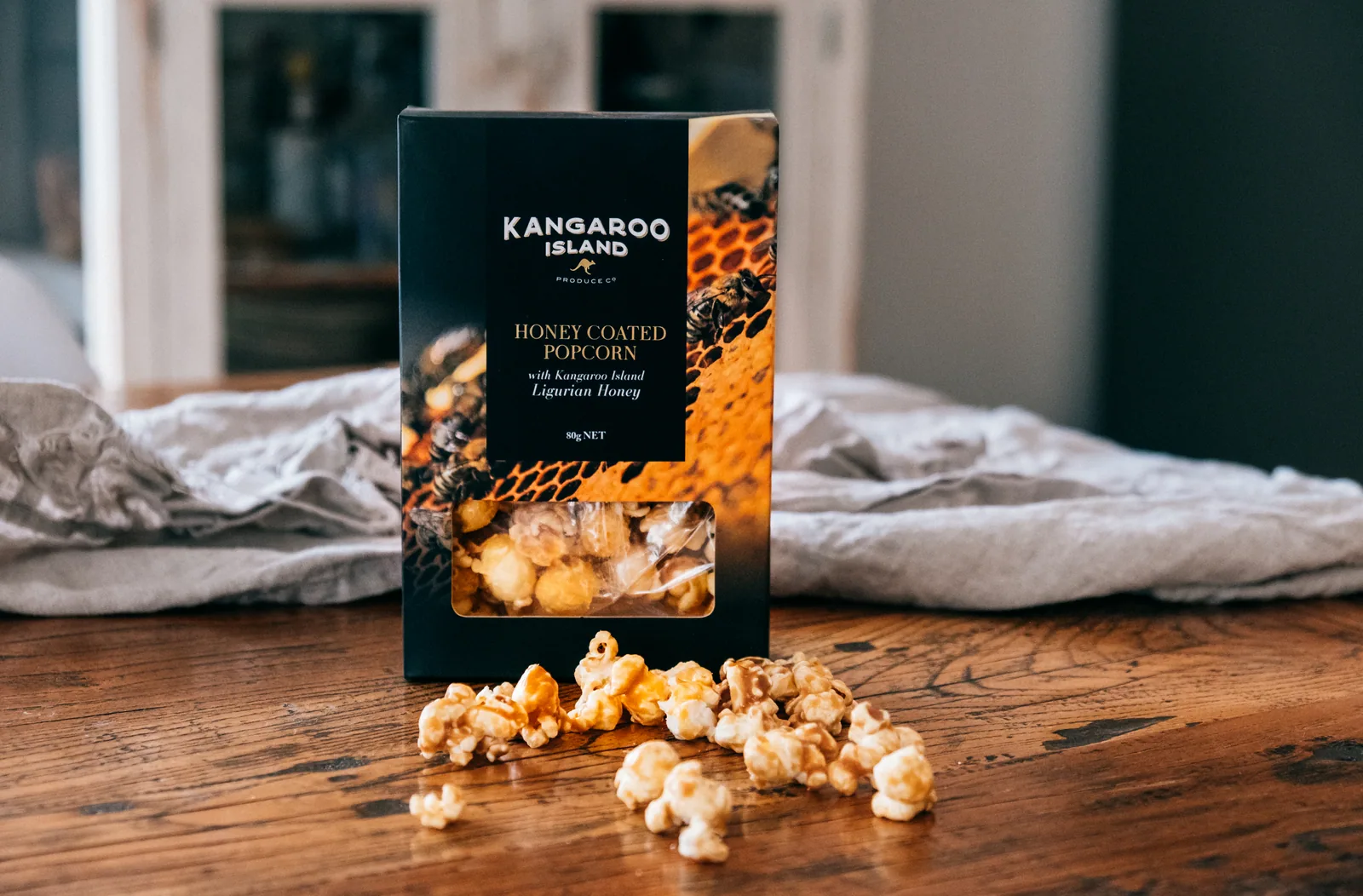
Popcorn is the one people underestimate. It is shareable without being messy, it does not need cutting, and one carton on a bench feeds more people than the same money spent on individual bars. If you want a single order that does the job for a whole room, a party pack to share is the shape to look for.
The pattern behind all of that is one-handed food. If a snack can be picked up on the way past the kitchen and eaten while reading something, it goes. If it requires standing still, it does not, however good it is. That single test predicts an empty box more reliably than price, brand or how healthy anything claims to be.
What sits there until March
Anything that needs a bowl, a spoon or a plate. Anything requiring a spread and a knife, because nobody wants to be the person who left crumbs in the butter. Very large blocks of anything, which get opened, half-eaten and abandoned in a way that makes the next person feel awkward about touching them.
Health-coded snacks are the other survivor of the cupboard. Not because people do not want to eat well, but because a snack chosen to look virtuous in a kitchen is not the snack anyone reaches for at half past three. Buy what people want at the moment they want it and the box empties, which is the only honest measure of whether the order worked. Our existing guide to healthy office snacks takes the other side of that argument.
Covering dietary needs without a survey
Do not send a form around asking people to declare their medical conditions. It is intrusive, the responses are incomplete, and the list is out of date within a quarter. Stock the range instead and let people choose in private.
In practice that means having something gluten free, something without nuts, and something that is neither dairy nor chocolate, sitting alongside everything else rather than in a separate labelled corner. Our gluten-free range is the place to start on the first of those. We describe what is in a product on its own page, and every pack carries its own ingredient and allergen labelling from the manufacturer. That labelling is the authority, not us and not a note on the fridge: anyone with a serious allergy should read the pack, and a shared kitchen cannot make any promise about what has been opened next to what.
Our guide to gifting for dietary requirements goes through the wider version of this, and when someone does not drink or has a dietary need covers the workplace-specific case.
Shelf life, and the shared-kitchen problem
Buy things that keep. An office kitchen is a bad fridge and a good cupboard, and anything that has to be refrigerated within a day of opening will be thrown out by whoever cleans on Friday. Sealed portions travel better than bulk, and they solve the half-open packet problem that stops people taking the last one.
Keep it in one place, in sight, and not in a locked cupboard controlled by one person. Snacks that require asking are snacks that do not get eaten, and the point of the exercise is the small break, not the inventory.
Two practical habits fix most of the waste. Open one thing at a time rather than putting six part-used packets out at once, because a bench of half-empty boxes reads as leftovers and stops being touched. And rotate what is oldest to the front on the day the new order lands, which takes about a minute and is the difference between a cupboard that turns over and a cupboard that accumulates.
A monthly order that is not a chore
The reason most office snack schemes die is that they depend on one person remembering. Put it on a calendar, order the same shape of thing each time with one variation, and let whoever sits nearest the kitchen tell you what ran out.
If you are ordering for a whole team rather than a kitchen shelf, our gifts for employees and hampers for workplaces handle the larger version, including sending to several sites at once. Our guide to the Australian workplace gifting handbook covers the wider programme. One order, one invoice, one person who knows your deadlines, and a kitchen that looks after itself for another month.
Frequently asked questions
What snacks should an office keep stocked?
Cover four categories and stop there: something salty and crunchy, something sweet, something to go with tea and coffee, and nuts. Those four account for almost everything that actually gets eaten. Add shareable items such as popcorn for the bench and keep individual portions for the desk. Skip anything needing a bowl, a spoon, a plate or a knife, and skip large blocks that get half-eaten and then quietly avoided. Buy for three in the afternoon rather than for how the cupboard looks when it is full.
How do you cater for gluten-free or nut allergies in a shared kitchen?
Stock the range rather than surveying people. Have gluten-free options, nut-free options and something that is neither dairy nor chocolate available alongside everything else, so nobody has to declare anything to eat at work. Every pack carries the manufacturer's own ingredient and allergen labelling and that is the authority to rely on. Anyone managing a serious allergy should read the pack itself. A shared kitchen where packets are opened side by side cannot make any promise about what has touched what, and it should not be asked to.
Is it worth having snacks in the office at all?
It is worth it for the break rather than the food. People who step away from a screen for four minutes come back better than people who do not, and a bowl on a bench is the cheapest reason to do that anyone has invented. The case against is real though: snacks are not a substitute for lunch breaks, and a stocked kitchen in an office where nobody feels able to leave their desk is a solution to the wrong problem. Fix the second thing first, then buy the popcorn.