
Sending a Gift When the Recipient Has a Dietary Requirement
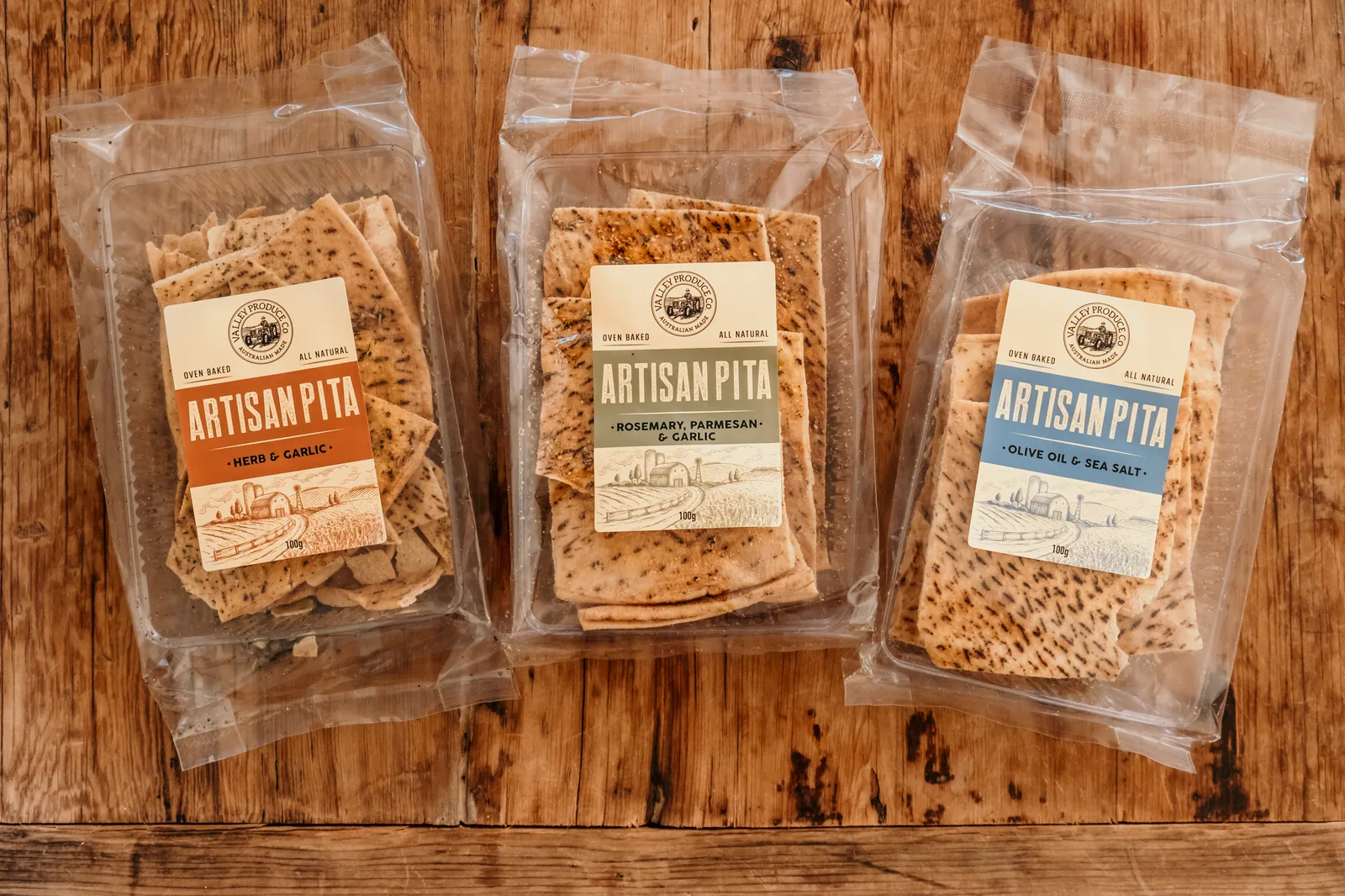
Check before you send, and if it is meant to be a surprise, check with someone in the house rather than with the person eating. A gift the recipient cannot eat is not a smaller gift, it is a gift they have to thank you for and then quietly give away. Two questions and thirty seconds of label reading is the whole job.
Dietary requirements come in three kinds and they are not interchangeable. A preference can bend. A medical condition cannot. An allergy can be dangerous. Working out which one you are dealing with decides everything else on this page.
There is a fourth thing worth asking about that is not a diet at all. Religious and cultural requirements, and people who do not drink, rule out gifts nobody thinks of as dietary: alcohol, pork, gelatine, and sometimes anything without a certification on the pack. It is the same question and the same answer, and asking costs nothing.
Asking without turning it into an event
The wording that works is short and low-stakes. Something like: I am sending you something edible, is there anything you avoid? It gives the person room to answer in one word, it does not ask them to explain a diagnosis, and it reads fine as a text message.
If it has to be a surprise, ask whoever else lives there, or the person organising the collection at work. If there is nobody to ask, do not guess your way through it. Send something that is not food, and skip to the last section.
Coeliac is not a preference
Someone avoiding gluten by choice can eat around a gift. Someone with coeliac disease cannot, because for them gluten does real damage, and traces count as much as portions do. The two get described with the same three words on a menu, which is exactly why senders get it wrong.
In practice that means two habits. Read the pack rather than the shelf label, because wheat free and gluten free are not the same claim and only one of them is the one you need. And read the contents listed on the product page before you order, not the category name above it. Our gluten free range is put together for people avoiding gluten, and every hamper in it lists what is inside, so you can check the specific items against what your recipient actually needs.
Vegan, and the things people forget
Vegan gifting trips on the ingredients nobody thinks of as animal products. Honey is the most common. After that: milk solids in chocolate that looks dark enough to be safe, butter in shortbread and in most biscuits, gelatine in soft sweets and marshmallow, and whey powder in the seasoning on savoury snacks. A bottle of wine is worth a second look too, since some is clarified using animal-derived finings and the label does not always say so.
The simplest route is to send things that were never going to contain any of it. Coffee, tea, nuts, olive oil, dried fruit and most preserves are vegan by construction rather than by reformulation, which also means they taste like themselves instead of like a substitute for something else. Our vegan range is built on that principle, and again, the contents are listed on each product page.
Allergies, and why may contain matters
An allergy is the one case where being approximately right is not good enough. Nuts, sesame, dairy, egg, soy, wheat, fish and shellfish are the ones that turn up most in food gifts, and nuts are in more products than people expect, including things that are not obviously nutty.
Precautionary labelling is the part that catches senders out. May contain traces, and made on equipment that also processes, are not filler phrases. They mean the manufacturer cannot rule out cross-contact, and for a serious allergy that is a no rather than a maybe. We cannot tell you whether a particular item is safe for a particular person and we would not try to. What we can do is show you exactly what is in each hamper on its product page, so you or the recipient can make that call properly. If you want an ingredient checked before you order, our team will look at the pack for you.
When to send something that is not food at all
If you do not know their restrictions and cannot find out, stop trying to solve it. A non-food gift is not a consolation prize. A self care hamper sidesteps the question entirely, and coffee is the closest thing to a universal edible: it suits most diets, it is not really a snack, and it gets used rather than stored.
The short version
- Ask, or ask someone who would know.
- Work out which kind you are dealing with: preference, medical condition or allergy.
- Read the contents on the product page item by item, not the category name.
- Check the precautionary labelling if an allergy is involved.
- If anything is still unclear, send something that is not food.
- Say nothing about any of it in the card.
That last one matters more than the rest. The whole point of the exercise is that the person opening the gift never has to think about it, and never has to feel like they were sent the adapted version of what everyone else got.
For the wider decision, start with how to choose a gift hamper, and what to put in a gift hamper covers how the pieces fit together once you know the constraints. The adjacent question, when to leave the bottle out altogether, is in when to send an alcohol free gift.
Every hamper is hand-packed in Australia and sent Australia-wide, with a free personalised gift card. Get the checking done first, and the sending is the easy part.
Frequently asked questions
How do I ask about dietary requirements before sending a gift?
Keep it short and low-stakes. Something like: I am sending you something edible, is there anything you avoid? It lets them answer in one word without explaining themselves, and it works as a text message. If it has to be a surprise, ask someone else in the house or the person organising the gift at work. If there is nobody to ask, do not guess: send something that is not food.
Does a gluten free gift mean it is safe for someone with coeliac disease?
Not automatically, and the difference matters. Coeliac disease is a medical condition rather than a preference, so traces count as much as portions, and precautionary labelling such as may contain traces is a real warning rather than a formality. Read the contents and ingredient information listed on the product page for the specific hamper, check the individual packs against what your recipient needs, and ask us if anything is unclear before you order.
What do I send if I do not know their restrictions?
Send something that is not food. It is the one answer that cannot go wrong, and it is not a lesser gift. A self care hamper avoids the question completely, and coffee is the safest edible for most people if you would rather send something consumable.