
When Someone on the List Does Not Drink, or Has a Dietary Need
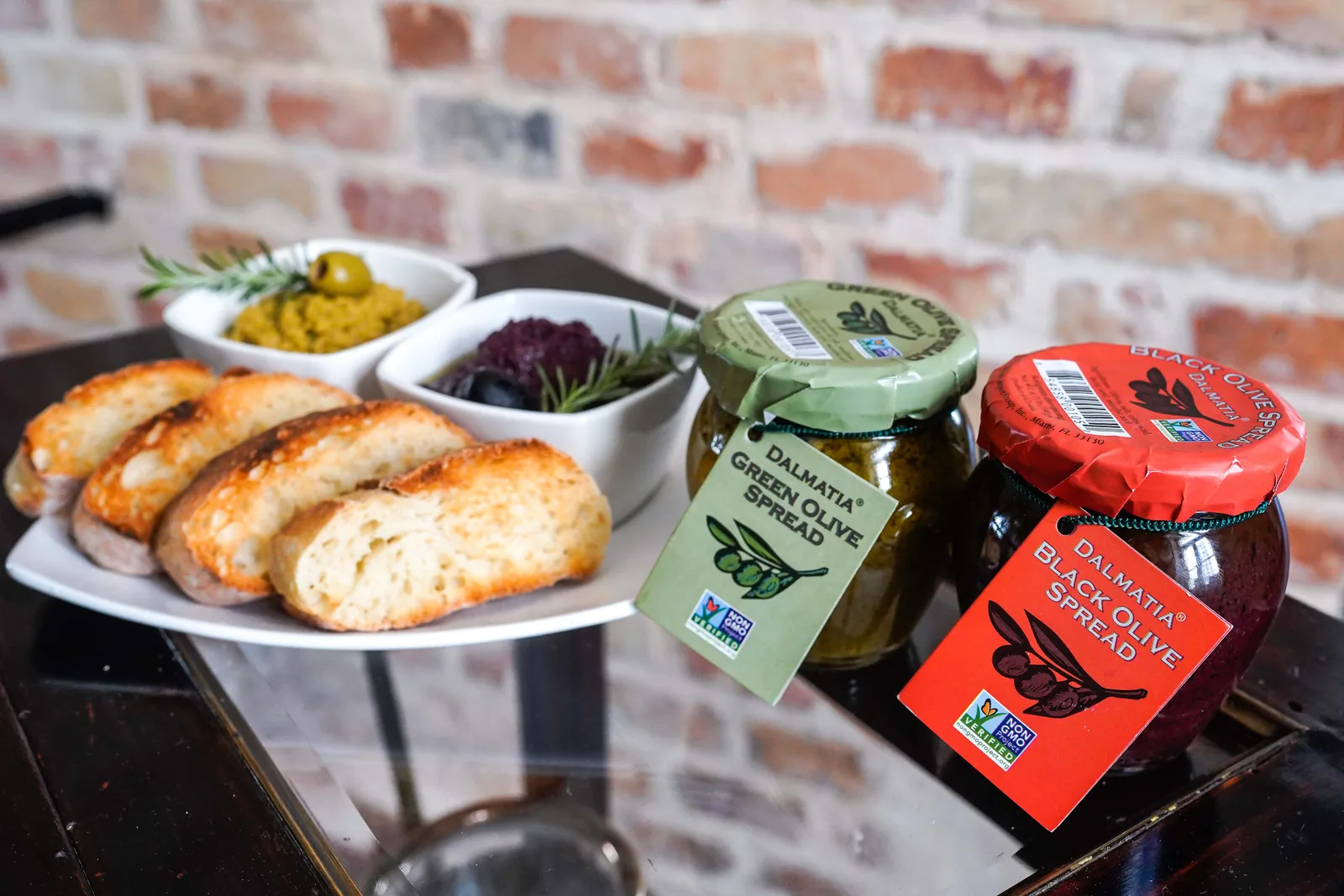
Build the list so nobody has to ask. When you are buying for a whole team rather than one person, the fair answer is not a different gift for the one person who cannot have the standard one. It is a list where every version is worth the same, and choosing the alcohol-free or gluten-free option costs nobody an explanation.
That is the difference between this and choosing a gift for an individual. With a list you are designing a rule, not making a choice, and the rule is what people notice. Our alcohol-free hampers and gluten-free range are the two shelves this problem usually comes down to.
Why a survey is the wrong tool
The instinct at fifty or two hundred people is to send a form asking about dietary requirements. It is slow, most people do not reply, and it quietly asks somebody to disclose a health condition, a religious observance or a recovery in order to receive a box of biscuits. Some of them would rather take the wrong gift than answer.
A form also creates a record you then have to store and eventually delete. The gift project should not be the reason a business starts holding health information about its staff.
The better move is to make the standard option one that suits most people, offer the alternatives openly to everyone, and let people pick without stating a reason. Nobody has to declare anything, and you get a cleaner list in half the time.
The alcohol question
Alcohol is the single most common mismatch on a staff list, and it affects far more people than most managers expect. Some do not drink at all, some are not drinking this year, some are pregnant, some observe a faith that excludes it, and some simply do not want a bottle arriving at their house from work.
None of them will tell you. A bottle is also the one item on a gift list that a person cannot quietly regift without it being noticed, and it is the one most likely to arrive at a household where it is genuinely unwelcome.
Two answers work. Make the whole list alcohol-free, which is simpler than it sounds and offends nobody, or offer an alcohol-free version alongside at the same value and make it visible rather than available on request. Our alcohol-free range is built to sit beside the rest rather than beneath it.
Gluten, nuts, and the limits of what a gift can promise
Here is where a gifting guide has to be careful, so we will be plain about it. We can tell you what a hamper contains and which range it sits in. We cannot certify that any gift is safe for a person with coeliac disease or a serious allergy, because that judgement belongs to the person and to the labelling on each pack.
What that means in practice: use the categories to narrow the list, then point the recipient at the product page and the pack rather than making a promise on their behalf. Our gluten-free hampers and plant-based range are grouped for exactly that, and anyone with a specific requirement can check the detail before anything is opened.
If you know somebody on the list has a serious allergy, the respectful move is to ask them directly and privately, once, and to accept whatever they say. That is a different act from surveying everybody.
Same value, different item
The rule that makes all of this work is that the alternatives are worth the same. The moment the alcohol-free version is visibly smaller, or the gluten-free option is the one nobody chose, the gesture has told somebody they are an afterthought. That is worse than getting the gift wrong.
Same value, comparable size, same wrapping, same card. If the standard hamper has something to drink in it, the alternative has something good to drink in it too. Our staff gift range is grouped by level so you can match across categories without doing arithmetic.
What to write so it does not single anyone out
The message that goes with the list matters as much as the list. One line does it: here is what everyone is getting, here are the versions, pick whichever suits you, no need to say why. That last clause is the whole thing. Without it, choosing the alternative feels like filing a request.
Send the same card message to everybody. A card that says anything about the recipient's diet turns a gift into a comment, and it will be read by whoever is standing next to them when they open it.
Where to start
Decide the standard, decide the alternatives, and make them equal before you send a single message. Our alcohol-free hampers are the most useful place to begin because they solve the largest group. Gifting for dietary requirements covers the same ground for one recipient rather than a list, when to send an alcohol-free gift handles the individual judgement call, office snacks people actually eat is the everyday version of the same problem, and the workplace gifting handbook sits above all of it. Everything is hand-packed in Australia and sent Australia-wide.
Frequently asked questions
How do you handle staff who do not drink when gifting?
Offer an alcohol-free version at the same value, and put it in front of everybody rather than making it available on request. The number of people it affects is always larger than a manager expects, and almost none of them will raise it, so a list that quietly assumes everyone drinks will get it wrong for several people every year. If it is simpler, make the whole list alcohol-free. It offends nobody, it removes the question entirely, and our alcohol-free hampers are built to stand beside the rest of the range rather than below it.
Can you guarantee a gift is gluten free or nut free?
No, and anyone who tells you otherwise is guessing on your behalf. We can tell you what a hamper contains and which range it belongs to, and we group a gluten-free range so you can narrow the list quickly. What we cannot do is make a safety judgement for a person with coeliac disease or a serious allergy. That judgement rests on the labelling of each individual pack and on the person's own knowledge of what they can have. Use the category to shortlist, then point the recipient at the product page and the pack.
Is it rude to ask about dietary needs?
Asking one person privately, once, is fine and usually welcome. Surveying a whole team is where it goes wrong, because it asks people to disclose something personal in order to receive a gift. If you want the information for the long run, collect it once at onboarding as part of catering rather than at gift time, keep it minimal, and let people leave it blank. Then the gift list draws on something that already exists instead of prompting a fresh round of declarations every December.