
Gifts for Someone Who Says They Do Not Want Anything
When somebody says they do not want anything, they almost always mean one of three things, and the three are not the same. They mean do not spend money on me. They mean do not put another object in my house. Or they mean they are tired of the ritual and would like the pressure off.
Work out which one you are dealing with and the decision makes itself. None of the three is a request for nothing at all. Two are requests for a particular kind of something, and the third is a request about how, not whether.
They mean do not spend money
The most common reading, and it usually comes from people who know what a gift costs and do not want you out of pocket on their account. Parents say it. So do friends having a lean year, and anybody who suspects you are having one.
The mistake is to hear it as a test and answer with something expensive. That turns a kindness into an obligation, and the person spends the rest of the day working out what they now owe you. Take it at face value instead. Send something modest, obviously consumable, and clearly chosen for them. A small gift chosen well reads as attention. A large one reads as an argument you decided to win.
They mean do not add to the house
The second group is not worried about money. They are worried about storage. Anyone who has downsized, decluttered, moved somewhere smaller or spent a weekend clearing out a parent's garage holds a settled view about objects, and it does not soften because it is their birthday.
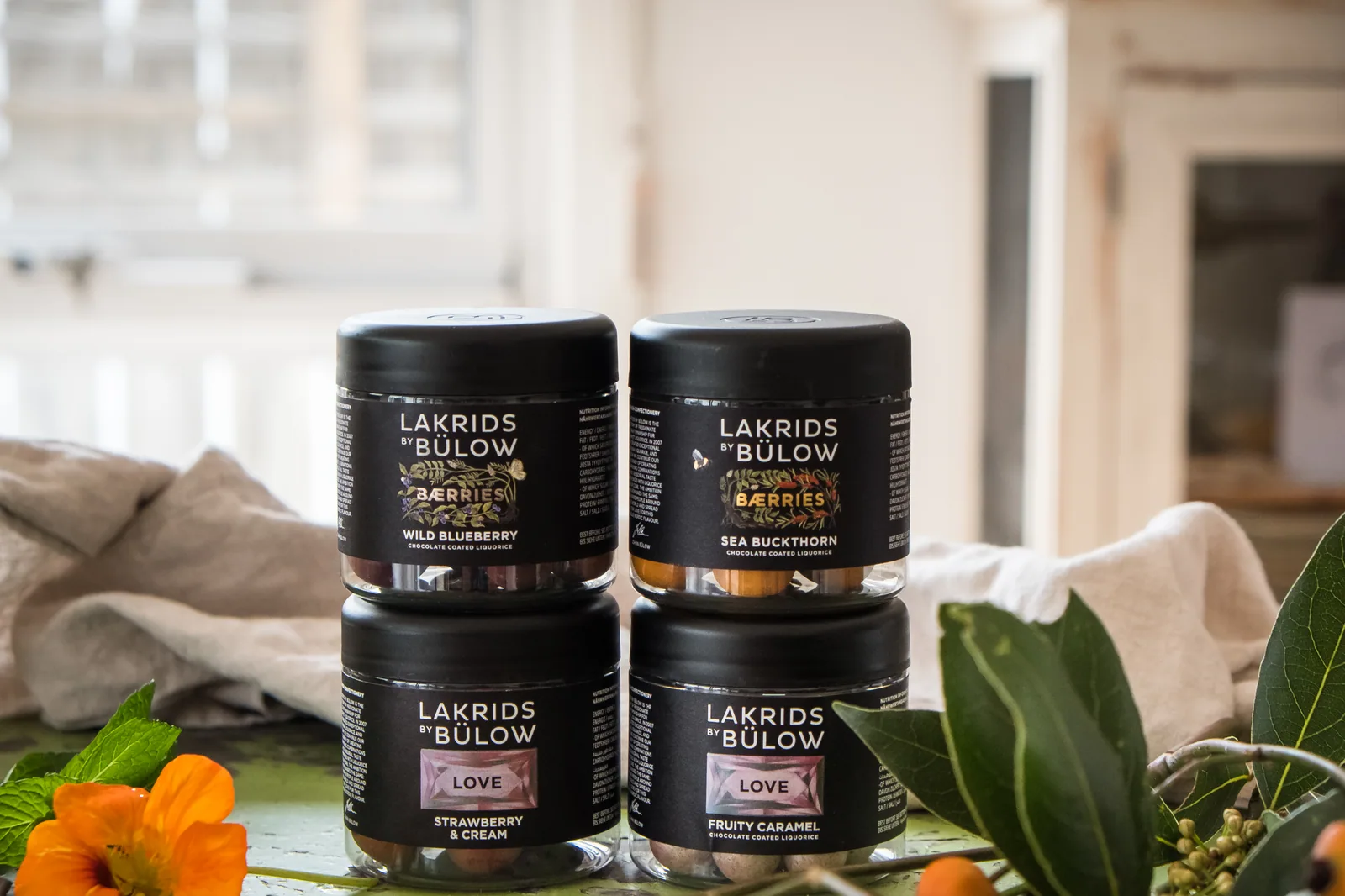
The answer here is anything that gets used up. Food and drink are the obvious version, which is why a gourmet hamper lands so reliably with people who will not accept an ornament. It arrives, it is enjoyed, it is gone, and the house is exactly as it was afterwards. That is not a lesser gift. For this person it is the only kind that works.
They are tired of the ritual
The third reading is quieter and easier to miss. Nothing is wrong with the gifts. What is wrong is the machinery around them: the reminders, the reciprocity, the mild guilt running in both directions, and the year it stopped being enjoyable. People in this group will often say do not get me anything and then cheerfully accept something handed over at the door.
What they are objecting to is the transaction, not the generosity. So take the transaction out. Bring something to share rather than something to keep, hand it over without ceremony, and do not make them open it in front of an audience. Our gifts to share exist for exactly this. The gift becomes part of the evening instead of an event inside it.
What to send, in each case
| What they meant | What to send |
|---|---|
| Do not spend money on me | Something small, consumable, and obviously chosen for them |
| Do not add to the house | Food, drink, or anything else that will be used up |
| I am tired of the ritual | Something to share, handed over without ceremony |
| You genuinely cannot tell | Something to eat, sent with a real note |
The bottom row is the safe default and it is not an evasion. Food is the one category that answers all three objections at once. It is finite, it is not an object, and nobody has to find a place for it. It also has the useful property of being enjoyed rather than admired, which is what this person was asking for in the first place.
On budget, aim for the middle rather than the top. Our $60 to $100 range is where most gifts of this kind sit comfortably, and going higher tends to work against you here, because the whole point is a gift that does not ask anything of the person receiving it.
The note does more than the gift
For someone who said they wanted nothing, the card is not the accompaniment. It is the argument. A gift with a generic message is the thing they asked you not to do. A gift with two sentences explaining why you thought of them specifically is not really a gift at all, it is a message with something to eat attached.
Name the reason. "I know you said not to, but I saw this and thought of the year you have had" does more work than anything you could spend the difference on. Every order includes a free personalised gift card, so there is somewhere to put it.
The one time to actually send nothing
There is a case where nothing means nothing, and it is worth naming rather than talking around. Some people ask for no gifts because a gift would be genuinely hard to receive: someone in the middle of a loss, someone whose relationship with the occasion is complicated, someone who has said it more than once and meant it more each time. Twice asked is an answer.
Even then, doing nothing is not the only option available to you. Turn up. Write something. Take a job off their list. The instinct behind the gift is right and it does not have to arrive in a box.
Where to start
Decide which of the three you are dealing with, then choose inside that lane and keep it modest. Our gift hampers cover the general case, and the gourmet range is the one to browse when consumable is the whole brief. If the person is one half of a couple who have quietly stopped exchanging things, anniversary gifts for couples who do not want things takes the argument further, and new home gifts for people who have everything handles the housewarming version. For the mechanics of choosing, how to choose a gift hamper and choosing a gift for a moment that matters both go deeper. Whatever you land on is hand-packed in Australia and sent Australia-wide, and it will not add a thing to anybody's shelves.
Frequently asked questions
What do you buy someone who says they do not want anything?
Something they can eat or drink, chosen with obvious care, and sent with a real note. Almost everyone who says it means one of three things: do not spend money on me, do not put another object in my house, or I am tired of the whole ritual. A consumable gift is the one answer that respects all three at once, because it is finite, it is not an object, and nobody has to find room for it. If you cannot tell which of the three you are dealing with, default to food and keep it modest.
Is it rude to give a gift after they asked you not to?
It depends which of the three they meant, which is why the reading matters more than the gift. If they were protecting your wallet or their storage space, a small consumable gift is welcome and nobody feels awkward about it. If they were asking for the ritual to stop, a wrapped present handed over in front of people is exactly what they asked you not to do, while the same food brought along to share is fine. And if somebody has asked twice, take the answer.
How much should you spend when they did not want a gift at all?
Less than you would otherwise, and deliberately so. The signal you want to send is attention, not expenditure, and an expensive gift given to someone who asked for none leaves them working out what they now owe you. The middle bands are the comfortable place to shop rather than the top ones, and the $60 to $100 range covers most of it. Spend the difference on getting the choice right for that particular person, which is the part they will notice.