
New-Home Gifts for People Who Already Have Everything
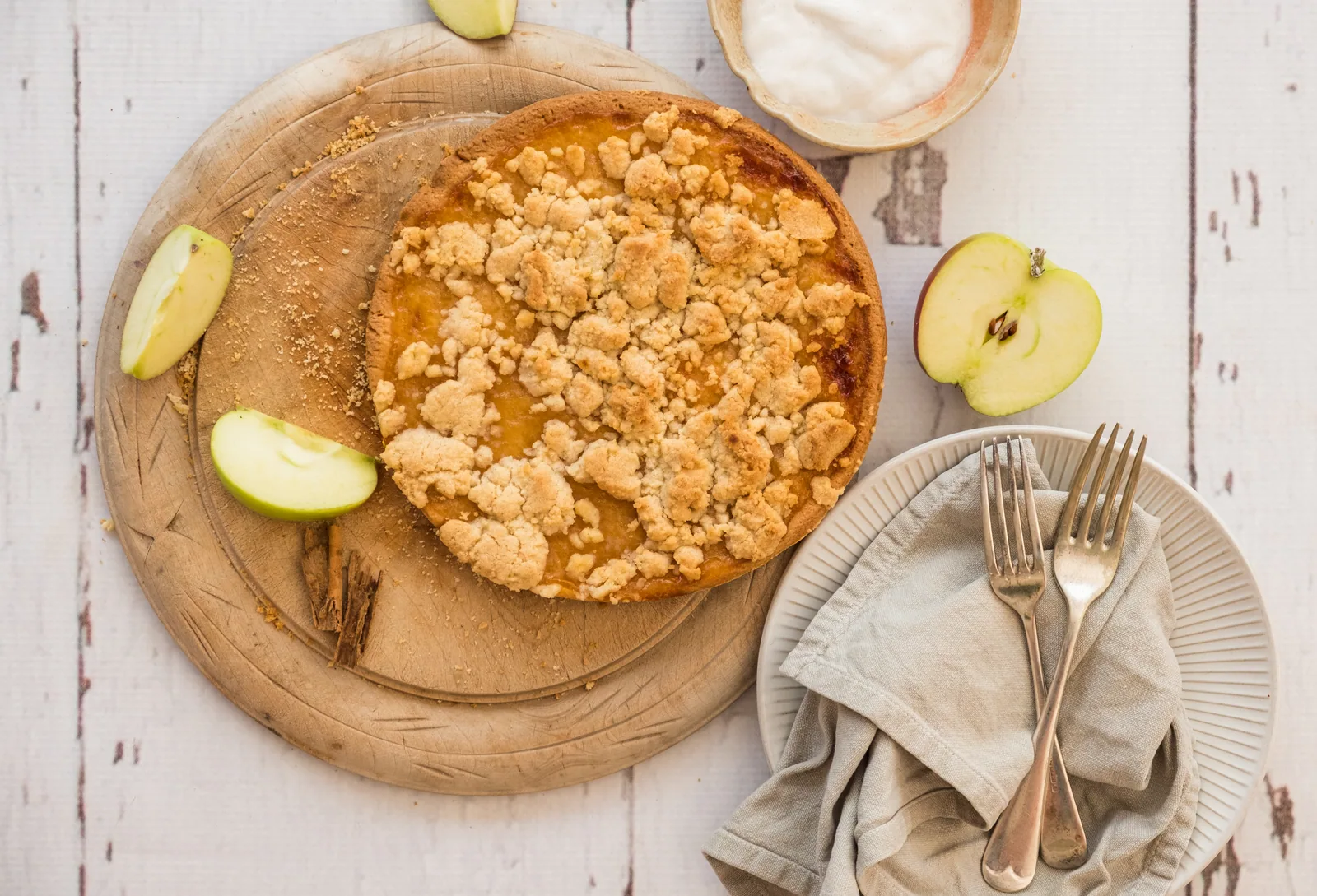
Give something that gets used up. A house that already owns the kettle, the towels and the good glasses does not need another object, and in a full house the gift that lands is the one that is finished by the weekend. That is the short answer, and the reasoning behind it is practical rather than sentimental.
The hard version of this problem is the second or third home. Nobody moving into one is short of things. They chose most of what is in the house, they replaced whatever they did not like, and the cupboards were full before the boxes arrived. Anything you add has to earn its place from a standing start. Our new-home gifts are built around that, which is why so few of them are objects.
What they already own
Run the list in your head before you buy anything. Kitchen tools. Glassware. Linen. Candles. Vases. Servingware. Framed prints. A cheeseboard, or three. Somebody buying their first place is short of at least half of it. Somebody buying their third is short of none of it, and has already thrown out one round of duplicates on the way here.
That is the whole reason the standard housewarming present misfires in the second half of a person's life. The gift is not bad. It arrives into a house where the equivalent already exists, in a version the owner picked deliberately, and the new one is either worse than the one they have or a second of something they only need once. Then it has to be kept, because you gave it to them.
In a full house the scarce thing is not money. It is shelf space, and the willingness to make one more decision in a week that has been nothing but decisions. A gift that needs a home of its own is a small job you have quietly handed over.
The three things a full house still runs out of
Plenty, as it turns out, and all three are worth more than another object.
Something to put in front of people at no notice. New addresses attract visitors. Neighbours, the friend who is passing, the relative who wants to see it. Anything that can go straight onto a board without cooking solves that, and it is the one cupboard that empties fastest in a new house.
The good version of something they buy the ordinary version of. Everyone has a line they will not cross on their own money. Coffee, chocolate, olive oil, a proper conserve. Cross it for them. This is the single most reliable gift for somebody who has everything, because having everything and buying yourself the good one are different things.
Something they can hand on. A move is a debt collection of favours: the friend with the ute, the sibling who took the cat, the neighbour who signed for the parcels. A gift big enough to share lets them settle some of that without another trip to the shops.
Gifts that ask for a shelf, and gifts that do not
Sort every idea into one of two piles before you decide. The first pile has to be stored, displayed or maintained. The second gets eaten, drunk, burnt or used up. Both piles contain good gifts. Only one of them is safe when you do not know what is already in the house.
| The move | The object gift, and its problem | What works instead |
|---|---|---|
| A first home | Usually welcome, because almost nothing is duplicated yet | Either pile is fine. Ask what they still have not bought |
| A second or third home | Almost certainly a duplicate of something better | Consumable, every time |
| A downsize | They are actively getting rid of things, and you are adding one | Something that leaves nothing behind |
| A rental | Nothing that needs a drill, a wall or a garden | Food, or something small enough to move again |
| A first place alone | Risky only if it assumes a kitchen that works yet | Something to share, so the housewarming has a centre |
The etiquette side of this, whether you have to bring anything at all and what to do if you cannot go, is answered properly in our guide to housewarming gift etiquette. This piece is only about the harder case: the house that is already finished.
When to spend more, and when not to
Spend more when the gift is going to be opened in front of other people, because presentation is doing half the work and it shows. Spend more when you are the only person sending something, which is common for a second home, since the big collective gifting already happened at the first one. Spend less, cheerfully, when a group is going in together, and put the difference into one good thing rather than five small ones.
The middle band is where most new-home gifts sit and where the range is widest. If you want a single figure to work to, take the $60-100 band as your default and move up or down from there depending on how well you know them. Our gourmet food gifts are the consumable end of the argument this piece has been making, and a new-home celebration gift or a welcome-home gift both do the job without asking for a shelf.
One thing not to do is buy up a band to compensate for not knowing them well. A large gift from someone who is not close reads as an apology. Better to send something small and get the note right.
The old celebration, and why it still works
The reason food has survived as the new-home gift for as long as it has is that it is the only category that cannot be a duplicate. Two cheeseboards is a problem. Two dinners is Tuesday and Wednesday. If you want the longer view on choosing for a milestone rather than for a person, choosing a gift for a big moment covers the principle across every occasion, and how to celebrate a new home covers the party itself.
If you would rather not decide
Send food and let the house do the rest. Every one of our gift hampers is hand-packed in Australia and sent Australia-wide with a free personalised gift card, and standard delivery is free on hampers priced $100 or more, a flat $14.95 per hamper under that, no handling markups. Nothing in it needs a shelf, a drill or a decision, which in a week of moving is the most generous thing a gift can be.
Frequently asked questions
What do you give someone moving into their second or third home?
Something consumable. By a second or third move most households have already bought, replaced and culled the standard housewarming objects, so another one is either a duplicate or a worse version of what is already in the cupboard. Food, coffee, chocolate and drinks avoid the problem entirely, because they cannot be duplicates. They also suit the week itself, which is usually short on working kitchens and long on people dropping in to look at the place.
How much should a housewarming gift cost?
Set it by how close you are, not by how much the house cost. As a rough guide, a neighbour or a colleague sits comfortably in the $30-60 band, a friend or a family member in $60-100, and a joint gift from a group in $100+, where one good thing beats five small ones. Second homes tend to pull the figure up slightly, because far fewer people send anything at all the second time around, so yours is doing more work.
Is a gift card a better idea?
Sometimes, and it is worth being honest about both sides. A card is the right answer when they are still buying big things and your contribution is genuinely money, or when you do not know the house well enough to send anything into it. It is the wrong answer when you know them well, because it says you did not want to choose, and at a housewarming that reads louder than it does at Christmas. The compromise most people miss is a small, specific gift plus a short note, which costs less than the card you were about to send and is remembered longer.