
Housewarming Gift Etiquette: What to Bring and What to Send
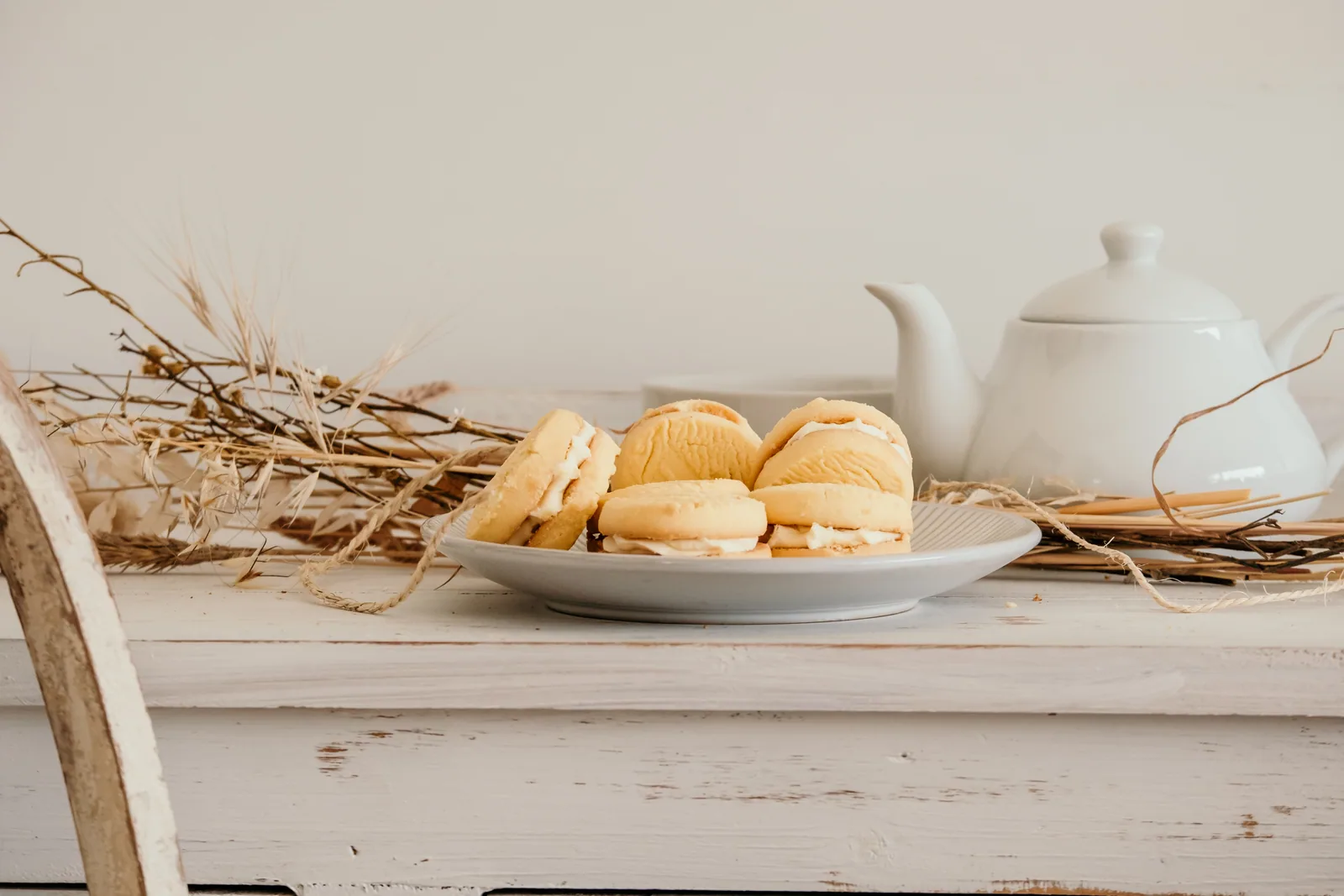
Yes, bring something. A housewarming is one of the few occasions where arriving empty-handed is genuinely noticed, and the bar is lower than most people think: something for the house, something to open that night, or something edible that does not need a working kitchen to serve. What you bring matters much less than bringing anything at all.
The rest of it comes down to which situation you are in, because a gift for a party you are attending, a gift sent because you cannot go, and a gift for someone who is renting are three different problems with three different answers.
If you are going to the party
Bring something that can be used that night or put away in ten seconds. New-home parties happen in half-unpacked houses, and a gift that needs a shelf, a vase or a decision is a job you have quietly handed to the host.
Something to share is the safest choice, because it goes straight onto the table and solves a problem the host already has. A bottle works for the same reason: wine gifts travel, they need nothing from the kitchen, and they do not have to be opened in front of you. If you want it to feel like more than a bottle in a bag, a shiraz housewarming gift box does the same job presented.
What to avoid: anything that has to be hung, plugged in or assembled, anything scented, and anything big enough to need a home of its own before the boxes are unpacked.
If you cannot go
Send it anyway, and send it in the week of the move rather than the week of the party. A gift that turns up while the house is still chaos is more useful than one that turns up after everything has been put away.
A sent gift lives or dies on the message, because you are not there to say it out loud. Two lines is plenty and it should mention the house, not the move. Every order includes a free personalised gift card, and the card is the part people keep. A welcome-home gift, or anything in our housewarming gifts range, does the arriving for you.
Sending rather than attending is not second best. For a lot of people it is the version that gets remembered, because it arrives on its own instead of in a pile by the door.
If they are renting rather than buying
Most housewarming advice is written for people who have just bought, and most housewarmings are not that. Renting changes three things.
Nothing permanent: no wall hooks, no shelving, nothing that needs a drill or leaves a mark on the way out. Nothing that assumes outdoor space, because garden gifts and large planters are a gamble unless you have seen the place. And nothing bulky, because the next move may come sooner than they would like and everything you give them has to go down the same stairs again.
What works instead is consumable, portable, or both. Food, a good candle, a small plant that fits on a windowsill, something for the kitchen they will use weekly. The test is whether it survives the next move without becoming a decision.
If it is someone you work with
A new home is a personal milestone, so a gift from a colleague or a client should be warm without being intimate. Keep it aimed at the house rather than at the person: something for the kitchen, something to share, nothing scented and nothing worn.
Send it to the home address if you have it and the move is done, and to the office if you do not. Where a team is going in together, one good gift signed by everyone beats several small ones, and the same holds for a client, because the card carries the relationship and the contents only have to be good. If you are sending to more than a few people, ordering for a whole list puts every address on one order and one invoice.
The traditional gifts, and whether anyone still means them
Bread, salt and wine is the old European housewarming trio: bread so the house is never hungry, salt so life always has flavour, wine so it is never short of joy. It has survived because it can be explained in one line on a card, which is most of what a tradition is for.
Two others persist. A candle, for the same reason people light one on the first night in a new place. And a plant, which is the only traditional housewarming gift that asks something of the person receiving it, so give one only to someone you know keeps them alive.
Nobody minds if you skip all of it. The traditions are a shortcut for people who do not know what to bring, and they are a good shortcut, but a gift chosen for the specific household will always beat one chosen for the category.
What to spend
Housewarming sits lower than people expect. It is a warm occasion rather than a landmark one, and most gifts land comfortably in the $60 to $100 band, brought or sent. Going higher is not wrong, but it changes what the gift says, and at a party where the other guests have each brought a bottle it can leave the host awkward. The whole question is worked through in how much a gift hamper should cost.
| Your situation | What to bring or send |
|---|---|
| Going to the party | Something to share, or a bottle. Nothing that needs a shelf. |
| Cannot make it | Something sent in the week of the move, with a written card. |
| They are renting | Consumable or portable. Nothing permanent, nothing bulky. |
| You barely know them | Food, or a bottle. Nothing personal, nothing scented. |
| A colleague or a client | Warm but not intimate, aimed at the house rather than the person. |
For more on the gift itself, our housewarming gift ideas and gifts for a new home both go further into what to choose, and choosing a gift for a big moment covers the wider set of occasions this one belongs to.
Browse housewarming gifts, or the broader celebration hampers and gift hampers ranges. Every one is hand-packed in Australia and sent Australia-wide with a free personalised gift card, and same-day dispatch is available on orders placed before 1pm AEST or AEDT on weekdays, excluding public holidays. Choose it, write the card, and let us get it to the door.
Enjoy responsibly.
Frequently asked questions
Do you have to bring a gift to a housewarming?
In Australia, yes, in practice. It is one of the few occasions where turning up with nothing gets noticed, though the expectation is low: something to share, a bottle, or something small for the kitchen all clear the bar comfortably. If you are going to a house inspection-sized gathering rather than a party, or you have already given a moving gift, arriving with nothing is fine.
What do you bring to a housewarming if you barely know them?
Food or a bottle. Both are safe because neither assumes anything about their taste, their decor or their household, and both get used rather than stored. Avoid anything scented, anything decorative and anything that has to be hung or installed, since those all require you to know things about the house that you do not. Something to share is the strongest choice, because it goes onto the table that night.
Is it rude to send a housewarming gift instead of attending?
No. A gift that arrives on its own is often remembered better than one handed over at a crowded door. What makes it work is the message, since you are not there to say it: two lines that mention the house, written by you rather than left blank. Send it in the week of the move rather than the week of the party, when it is more use to them.
Do you give a housewarming gift for a rental?
Yes, and it is the same occasion. Adjust what you send rather than whether you send. Nothing that has to be drilled, hung or installed, nothing that assumes a garden, and nothing so bulky that it becomes a problem at the next move. Consumables, a small plant for a windowsill and things for the kitchen all work.