
What to Send After a Funeral, and When
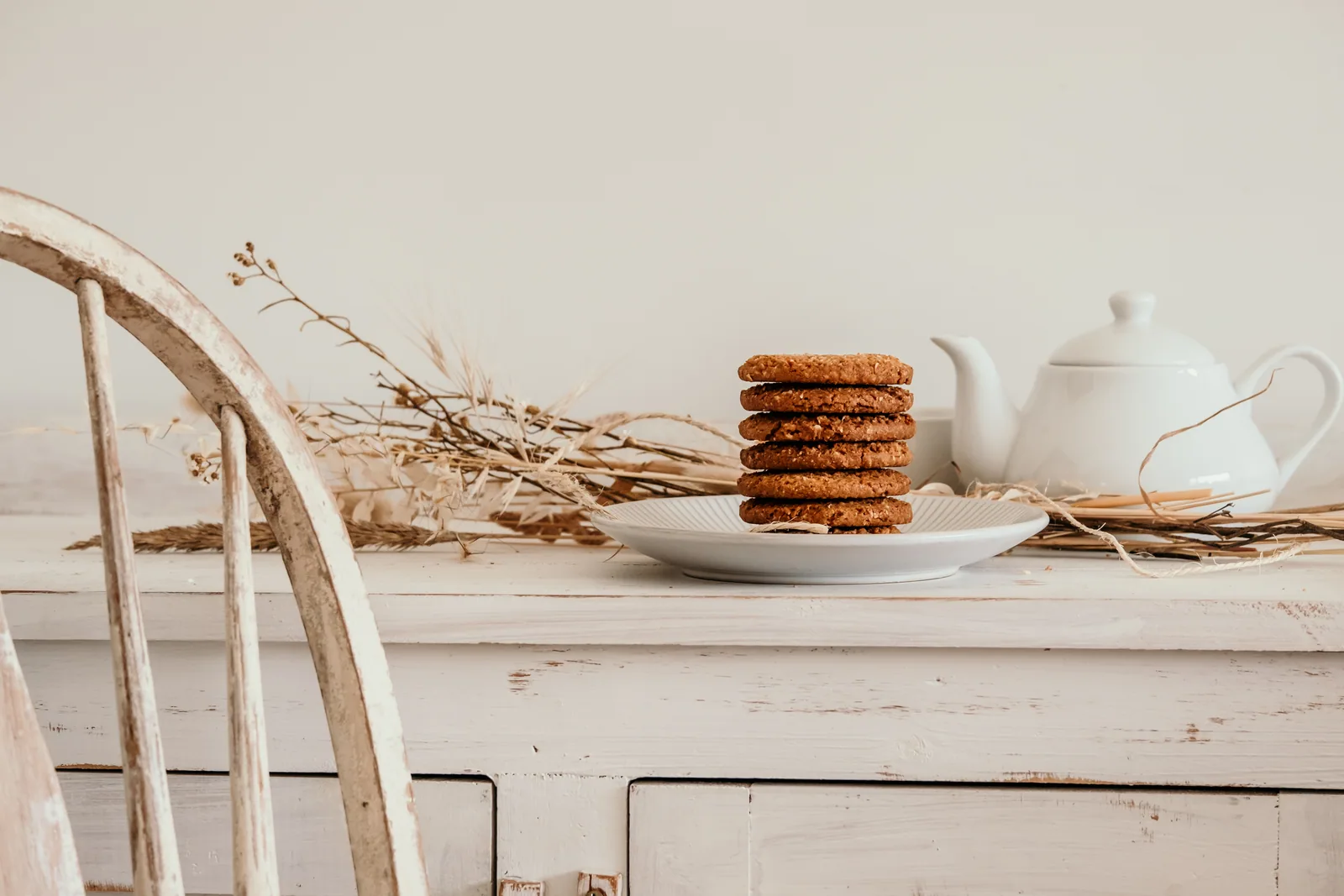
Send something practical, send it a week or two after the service, and choose something that needs no thanking. The days around a funeral are crowded with arrivals. The weeks after are quiet, and that is where a gift does the most work.
Most people get the instinct right and the timing wrong. Food, cards and flowers arrive in a rush while a family is still organising a service, and then it all stops at once. Our sympathy hampers are mostly sent into the second half of that, and so is most of the advice below.
The first week, and why it is crowded
Between a death and a funeral, a household is busy in a way that is hard to describe to anyone who has not been in it. There are certificates to chase, a service to plan, relatives arriving from interstate, and phone calls going in both directions all day. Food turns up. So do flowers, which is a subject of its own and one we have covered separately in sympathy gifts that are not flowers.
None of that is wrong. It is simply concentrated. Four lasagnes on a Tuesday are not four times as useful as one, and a fridge that is already full makes the fifth kindness harder to accept than the first. Bench space runs out before goodwill does.
If you are close enough to be in that first wave, be in it. Bring something, say very little, and leave. If you are not that close, the better move is to wait, and to write the date in your calendar so that waiting does not quietly turn into forgetting.
The weeks nobody plans for
Two or three weeks after a funeral the visitors stop, the cards stop, and the person who was carried through the first fortnight is alone with the paperwork. Estates, banks, superannuation, a phone account in someone else's name, a car to sell. It is administrative, it is relentless, and almost nobody sends anything into it.
That is the window worth aiming for. A parcel that arrives in the third week says something the first-week rush cannot say: that you are still thinking about it after everybody else has gone back to normal.
What to send that does not need thanking
The best sympathy gift creates no obligation. It does not need a vase, a return call, a thank-you card or a decision. Food works because it takes something off a day rather than adding to it, and because it can sit unopened until somebody has the appetite for it.
Think in categories rather than in specifics. Something for a cup of tea at an odd hour, because odd hours are most of them for a while. Something savoury that can become a meal when nobody can face cooking. Something sweet, because grief and sugar have an old and honest relationship. Our care packages are built along those lines, and they are what people choose when the practical help matters more than the gesture.
Send it to the house rather than to the service. If you are sending to another state, allow more days than you think and be relaxed about the exact date of arrival. We deliver Australia-wide with free standard delivery on hampers priced $100 or more, a flat $14.95 per hamper under that, and no handling markups.
What to avoid, and why
Avoid anything that asks for a response. Avoid anything that has to be arranged, assembled, watered or returned. Avoid a gift so large that a family feels observed by it. And avoid anything with a short date on it, because food that has to be eaten this week is one more deadline in a house that already has too many.
Avoid the wrong words as carefully as the wrong objects. A card that explains what the death means, or which stage of grief anyone is supposed to be in, gets read once and put in a drawer. A card that names the person and says one true thing about them gets kept for years. That is the entire difference, and it costs nothing.
If you did not know them well
Colleagues, neighbours, a friend's parent, a client you have worked with for a decade and never met socially. Send something modest and say less. "I was very sorry to hear about your mother. I am thinking of you." That is enough, and it is a great deal better than nothing, which is what most people in that position end up sending.
The worry is always that a small gesture will read as an intrusion. In practice the opposite happens. People remember who turned up in some form, and they almost never remember what was in the parcel. Our gift hampers cover the situations where a sympathy framing would sit heavier than the relationship warrants.
Where to start
Pick a date two or three weeks out, choose something that needs no reply, and write the card by hand. Our sympathy hampers are the place to begin, what to say in a condolence message covers the words, and choosing a gift for a moment that matters sits above both of them. Everything is hand-packed in Australia and sent Australia-wide with a free personalised gift card, so the only part left to you is the sentence.
Frequently asked questions
How long after a funeral is it too late to send something?
There is no cut-off, and later is usually better than earlier. The first week is crowded and the third is empty, so a parcel that arrives a fortnight or a month afterwards lands somewhere quieter and is felt more. Anniversaries work for the same reason. If you have left it much longer than you meant to, send it anyway and put one honest line on the card about the delay. That reads as thoughtful. Deciding the moment has passed and sending nothing is the only real mistake available here.
Should I send something if I did not know them well?
Yes, and keep it modest and unfussy. A gift from a colleague, a neighbour or a client does not need to be large to be welcome, and a small one is easier to receive than a grand one from someone at that distance. Keep the card short: name the person who died, say one true thing about them or about how you knew them, and stop. Do not explain grief to the person who is in it, and do not ask for anything back, including a reply.
Is food an appropriate sympathy gift?
It is, and it is usually the most useful thing you can send, because it removes a decision from a week that is full of them. Think in categories rather than specifics: something for a cup of tea at an odd hour, something savoury that can stand in for a meal nobody wants to cook, something sweet to leave on the bench. Avoid anything with a short use-by date or anything that needs preparation. A shelf-stable gift can wait until somebody has the appetite for it, which is the point.