
Choosing a Wine Gift When You Do Not Know Their Taste
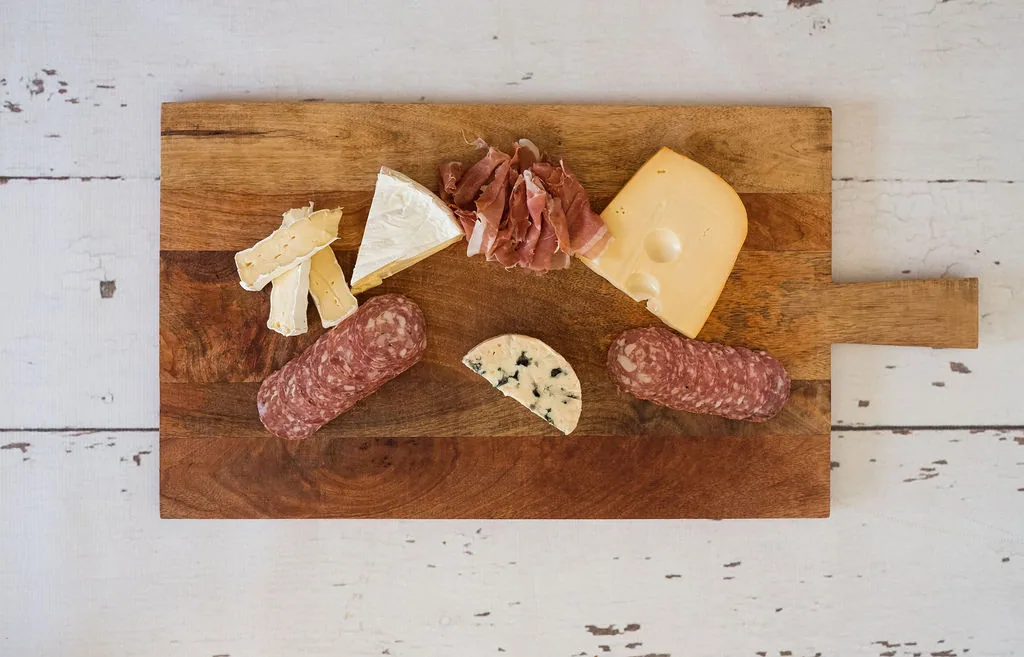
Choose a wine gift by style, not by grape. You do not need to know their favourite producer, and trying to guess it is how people end up sending something that misses. Decide how the bottle will be used, pick a style that suits it, pair it with food so it arrives as a gift rather than a bottle, and check first whether wine is the right idea at all.
Wine is the gift people are most nervous about, and the nerves are misplaced. The recipient is not marking you. They are opening something on a Friday.
The three questions that narrow it
The first is whether they drink at all, and it is not a formality. Plenty of people do not, for reasons that are none of our business, and a bottle sent to someone who does not drink is a small, awkward problem they now have to solve. If you are not sure, the section further down is for you.
The second is how it will be used. A bottle for a dinner party wants to be shareable and easy to like. A bottle marking something wants to feel like an occasion in itself. A bottle for a household with a shelf of good wine wants to be interesting rather than expensive, because they already have expensive.
The third is what it arrives with. A bottle on its own is a bottle. A bottle packed with the food it belongs beside is a gift, and it is also more forgiving: if the wine is not quite their thing, the rest of it still is. That is the whole argument for a wine hamper over a bottle in a bag.
There is a fourth consideration that is not really a question, but it decides more than people admit: the label. The recipient sees it before they taste anything, and for a gift that is most of the experience. A bottle that looks like it was chosen reads as a gift; a bottle that looks like it came off an end-of-aisle display reads as an errand. You do not need to know anything about wine to tell the difference between the two, which is convenient, because most senders do not.
Red, white or sparkling, and what each one signals
Red reads as considered and slightly formal. It suits colder months, cooking, and anyone you know eats meat. It is the safest choice when you know the person is a regular wine drinker, and the least safe when you do not, because red preferences are strong and specific. If red is right, a red wine hamper that pairs it with something savoury gives it context.
White reads as easier and less loaded. It suits warm weather, seafood, a long lunch and anyone who is not a devoted drinker of anything. It is a good default for a household rather than a person. A white wine pairing works the same way as the red, with lighter food beside it.
Sparkling is the one most people underrate. It is read as an occasion rather than a preference, which means it carries almost no risk of looking like a wrong guess. Someone who prefers red is rarely disappointed by sparkling, because sparkling is not competing with red in their head. It is a different category of thing. That makes it the strongest choice when the relationship is warm but the knowledge is thin, and our champagne and sparkling range is where to start. If you want the differences between the styles, champagne, prosecco or sparkling goes through them.
When to send both
Sending one of each solves the problem that started this article. It is not indecision, it is coverage: a household gets to choose, and the odds that neither suits are very low. It also works well when the gift is for a couple with different tastes, or for a shared house, or for anyone hosting over summer.
The same logic applies more widely. If wine is the centre of the gift but you want a margin for error, look across the whole alcohol range rather than fixing on one bottle. Beer and spirits solve some recipients that wine does not.
Two bottles also change what the gift is for. One bottle is usually opened by the recipient at some point. Two bottles are usually opened with somebody, because there is enough for a table. If the reason you are sending it is that you cannot be there yourself, that is not a small distinction.
When wine is the wrong gift
Sometimes it is, and the honest thing is to say so rather than to send it anyway. If you have never seen the person drink, if the gift is going to a workplace where somebody has to carry it home, if it is for a household with children opening it, or if you simply have a feeling about it, choose something else. Nobody has ever been offended by good coffee.
An alcohol-free gift is not a lesser version of a wine gift. It is a different gift, chosen for the person in front of you, and when it is done properly it lands better than a bottle they will quietly pass on. We have set out how to make that call in when to send an alcohol-free gift.
Making the choice
Pick the style that suits how it will be used, pair it with food, and stop trying to out-guess someone about their own palate. Our wine hampers are grouped by style so you can decide at that level and let us handle the rest, and if you want the wider decision first, how to choose a gift hamper covers it. Everything is hand-packed in Australia and sent Australia-wide, with a free personalised gift card so the bottle arrives with something written on it. Enjoy responsibly.
Frequently asked questions
What wine do you give someone who knows about wine?
Choose by style and provenance rather than trying to out-pick them. Someone with a serious interest already owns the bottles they wanted, so the gift that works is one they would not have bought for themselves: a region they do not usually drink, or something with a story attached. Do not aim for expensive, because they can price it and that is the wrong thing to be thinking about. Let the presentation and the pairing carry the gift instead.
Is it safe to give red wine to someone who prefers white?
It is a bit of a gamble, and there are two better options. Send one of each, which turns the guess into a choice they get to make. Or send sparkling, which almost nobody refuses, because it reads as an occasion rather than as a preference you have got wrong. If you already know they lean one way, follow that rather than trying to broaden their tastes with a gift.
What do I send if I am not sure they drink?
Send something alcohol-free, and do not treat it as a fallback. This is one of the most common situations in gifting and it has a good answer: coffee, tea, chocolate and savoury food all make generous gifts on their own terms. If you would rather ask, keep it light and practical, such as checking whether wine is welcome before you order. Asking once is far less awkward than a bottle that sits unopened.
Does the wine need to match what they are eating?
Not for a gift. Matching matters when you are pouring at a table, and even then it matters less than people say. A gift is opened whenever the recipient decides to open it, which you cannot predict, so pairing it with food in the gift itself is the useful move rather than trying to anticipate a meal. Choose a style they will enjoy and let them decide the occasion.