
Gifts for a Client You Have Never Met in Person
When you have never met a client, choose for the situation rather than the person. A gift that suits an office, gets shared, and asks nothing of the recipient is almost never wrong. What goes wrong is guessing at taste on no information, and the three things worth never guessing about are alcohol, strong flavours and anything personal.
A great many working relationships now run entirely on email, and a fair number of them are worth more than the ones conducted in person. Choosing a gift on that much information is a real skill, and it is mostly a matter of narrowing rather than guessing.
What you actually know about them
More than you think. You know roughly how big their team is, whether they work from an office or a kitchen table, what industry they are in, what hours they answer, and how formal they are in writing. You probably know if they have mentioned a holiday, a move or a busy season. All of that is situational, and situational is exactly what you want to buy for.
You do not know their household, their diet, whether they drink, whether they have anywhere to put a large box, or whether their employer allows them to accept anything. Every one of those is a reason to keep the gift shareable, modest and easy to pass on.
The three safe defaults
Something for a table beats something for a person. If it can be opened at a desk and shared with whoever walks past, the recipient does not have to like all of it, and the taste risk gets averaged out across a room. That is the single most useful move available to you.
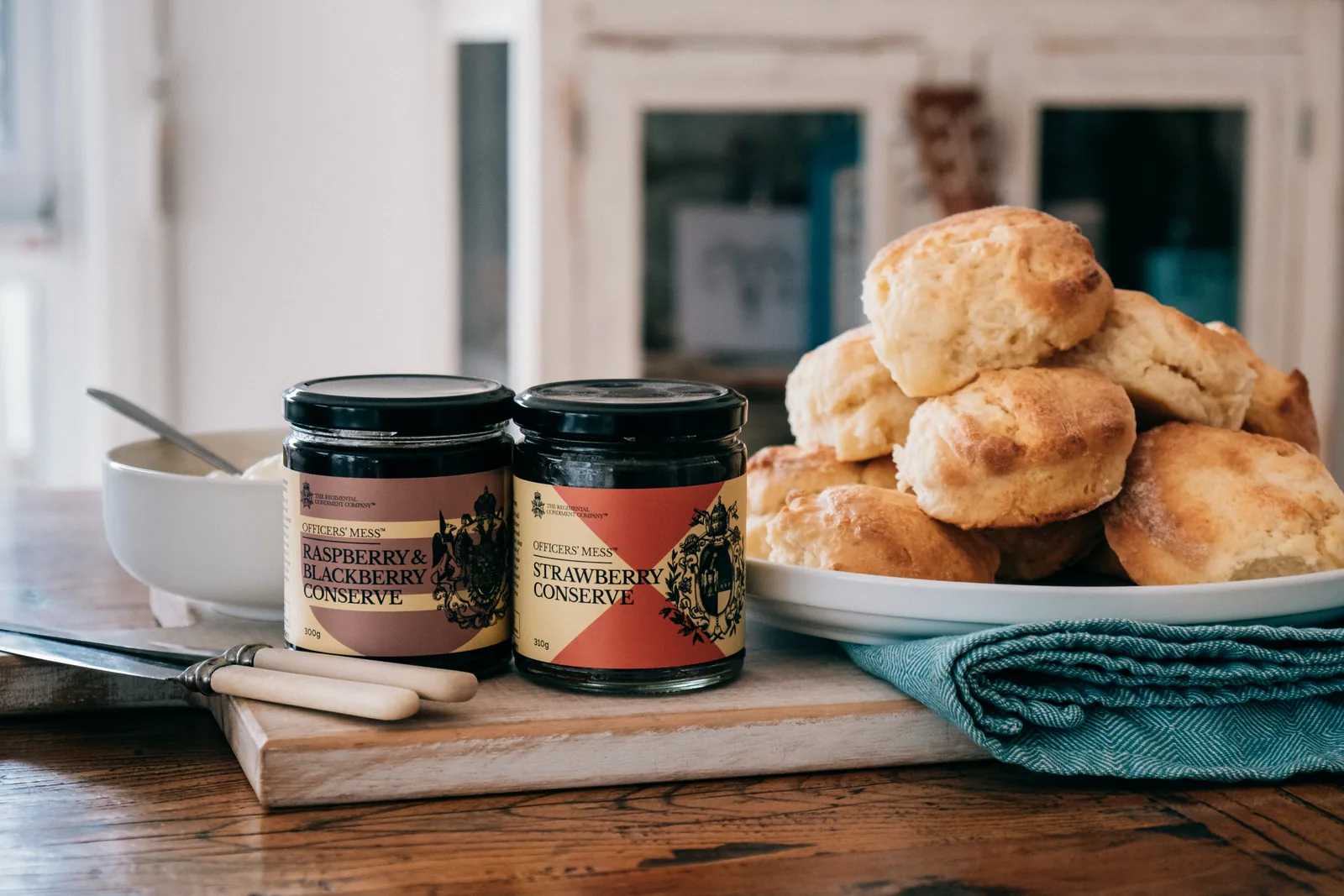
Something recognisable beats something adventurous. This is not the moment for the unusual thing you have discovered. A gift a person has to work out is a gift that puts them on the spot, especially in front of colleagues. Our gourmet hampers sit in this territory deliberately: good, broadly liked, nothing that needs explaining.
Something alcohol-free beats something you are unsure about. Plenty of people do not drink and the reasons are nobody's business, so the safe default when you cannot ask is to leave it out. Non-alcoholic hampers cover the same ground without asking a question the recipient then has to answer politely.
What never to risk
Alcohol is the first. Sent to somebody who drinks and likes what you chose, it is a good gift. Sent to somebody who does not, it is a small failure that is awkward to acknowledge and impossible to undo, and they will not tell you. Unless you have been told directly that they drink, choose otherwise. There is also a practical version of this: alcohol cannot be left at the door in some circumstances and cannot be sent to some workplaces at all.
Strong flavours are the second. Very hot, very smoky, very pungent, very sweet. All of them are somebody's favourite and none of them is a safe guess for a stranger.
Anything personal is the third, and it is the one people fall into with the best intentions. Fragrance, skincare, anything sized, anything that implies you have thought about their body or their home. For a client you have never met, that reads as familiarity you have not earned.
The address problem
You will often have an email address and nothing else, and the fix is to ask rather than to research. Never send to a home address you found rather than were given.
Two ways to ask that are not awkward. The first is direct and warm: tell them you are sending a small thank you and ask where it should go. Almost nobody minds this, and it removes the risk of a parcel sitting in an empty office over the holidays. The second is to ask whoever handles their accounts or reception, which works well in larger businesses and never reaches the recipient at all.
Ask about dietary needs in the same message. One line, both questions, and it comes across as care rather than interrogation. If you are sending to several people at once, we can take the whole list, validate the addresses, send each gift to its own door from one order, and put a different message on every card. For a piece with more on this, when someone on the list does not drink, or has a dietary need goes through it properly.
What the card should say
Name the work. "Thank you for a straightforward year" is worth more than a season's greeting, because it makes clear the gift is about them rather than about December. Keep it to two lines, and sign it from a person rather than from the company: the relationship is with you, and a card signed by an organisation reads as a mailout.
Start at gifts for clients, where the $60 to $100 band covers most single client gifts comfortably. The difference between this job and gifting your own team is set out in client gifts and staff gifts are two different jobs, unique client gifts has more ideas, and the Australian workplace gifting handbook is the wider decision spine. Ask the two questions, choose for the situation, and let us handle the rest.
Frequently asked questions
What do you send a client you have never met?
Choose from one of three categories rather than trying to guess the person. Something shareable that can be opened at a desk and passed around, so the taste risk is spread across a room. Something recognisable rather than adventurous, so nothing has to be explained. And something alcohol-free if you have not been told otherwise. Between them those three cover almost every case, and the one thing they have in common is that none of them requires you to know anything private about the recipient.
Is alcohol a safe client gift?
Not when you do not know them. It is a good gift for somebody you know drinks and a quietly awkward one for everybody else, and the people it lands badly with are the least likely to say so. There are practical problems too: some workplaces will not accept it and some deliveries cannot be left unattended. Where you are unsure, non-alcoholic hampers do the same job and ask nothing of the recipient. Where you do know, and alcohol is right, it is a genuinely good gift. Enjoy responsibly.
Where do you send a gift when you only have an email address?
Ask for the address. Do not look it up, and never use a home address you found rather than were given. Two approaches work. Tell them plainly that you are sending a small thank you and ask where it should go, which almost nobody objects to and which also avoids a parcel sitting in a closed office. Or ask their reception or accounts contact, which never reaches the recipient and suits larger businesses. Add the dietary question to the same message so it is one exchange rather than two.