
New-Baby Gifts That Help the Parents
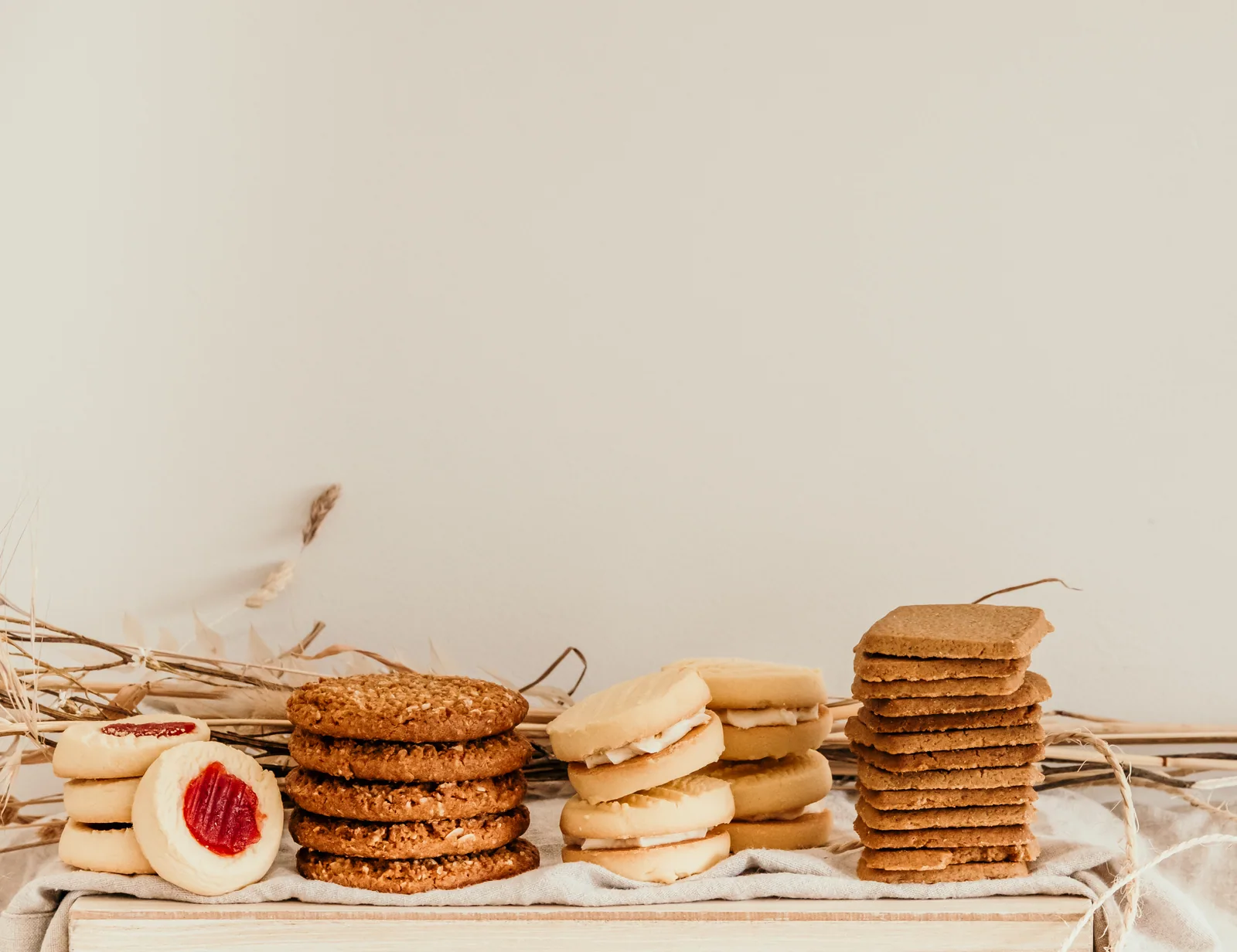
Send food, and send it to the adults. Almost every new-baby gift goes to the baby, who has more clothes than they can wear and no opinion about any of it. The people who need one are the two adults who have not sat down properly since Tuesday.
What follows is what a new household actually runs short of in the first six weeks, what to send that survives being forgotten about on a bench, and what to write on the card. Our new baby gifts are the place to start if you already know that is the answer.
What the baby already has
By the time a baby is a week old the nursery is usually finished. Grandparents bought the big things before the birth, friends bought clothes in three sizes, and the parents spent nine months buying the rest. A tenth soft toy is not a gift, it is storage.
That is not a criticism of anyone who sends baby clothes, and a first-time parent genuinely enjoys opening them. It is that the value of the eleventh one is close to nothing while the value of dinner is enormous. If you want the composition question, what actually belongs inside a gift for a new family, the things baby baskets should contain answers it and this piece deliberately does not.
The first six weeks, hour by hour
Newborns feed every few hours around the clock, and the clock does not care that it is three in the morning or that nobody has eaten since breakfast. Meals get skipped, then replaced by whatever is within reach of the chair. One parent is usually holding the baby, which means one hand, which means anything needing a knife and fork loses.
That is the whole design brief. Something that can be eaten standing up, one-handed, at an hour when cooking is not happening. It does not have to be worthy. It has to be there.
It is also why a gift of food beats a gift of an experience in these particular weeks. Nobody is going anywhere, nobody can commit to a date, and a voucher for something lovely in six weeks is one more thing to remember. Whatever you send should ask nothing of them at all.
Food that survives being forgotten about
The constraint nobody warns you about is that a new household has no idea what day it is. A gift that needs refrigerating, eating within two days or assembling becomes a small guilt on the bench. Send things that keep, so the parcel can sit in the cupboard for a fortnight and still be a treat on the night it is finally opened. Our care packages are built on that principle, and it holds whether the household is new or simply flat out.
One caveat worth taking seriously. A parent who is breastfeeding may be avoiding particular things, and food allergies in a household do not pause for a birth. We cannot tell you what is right for a specific person, so where there is any doubt, read the ingredients on the product page and on the pack itself, or ask them. Asking is not a failure of the surprise.
What to say on the card
Write to the parents. Most cards that arrive in the first month are addressed to somebody who cannot read, and the two people who can read them are the ones having the harder week.
Name them, say you are thinking of them, and say you are not expecting a reply. Then offer something specific rather than something open. "I will leave a meal on the porch on Thursday, no need to answer the door" is worth more than "let me know if you need anything", which quietly makes the exhausted person do the asking. Every order includes a free personalised gift card, so there is somewhere to put it.
The second-baby problem
Second and third babies get almost nothing, and the parents notice. The nursery is done, the clothes are in a tub in the garage, and the household is running the newborn schedule with a toddler already in it. That is harder than the first time, not easier.
So send for the household rather than for the baby. Something an older child can also have a piece of is worth more than anything sized for a newborn, because what is short in that house is attention, and a treat everyone shares buys ten minutes of it. Our gift hampers cover that end, and beautiful baby hampers is there if you would rather stay closer to the traditional answer.
Where to start
Decide who the gift is really for, and be honest that it is usually the adults. Send something that keeps, address the card to the parents by name, and do not wait to be invited. Our new baby gifts are grouped so you can choose in a couple of minutes, and choosing a gift for a big moment is the guide above this one. Everything is hand-packed in Australia and sent Australia-wide, so the only thing left for you is the note.
Frequently asked questions
Is it rude to send a gift for the parents instead of the baby?
No, and most parents are quietly relieved when somebody does. The baby is not aware of gifts and will not remember any of them, while the adults are running on four hours of sleep and have been given eleven cardigans. Sending for the parents is not a snub to the baby, it is simply aimed at the person who can use it. If you want to cover both, a card that names the baby and a gift the adults can eat does the job in one parcel.
When should a new-baby gift arrive?
Any time in the first couple of months works, and later is often better than immediately. The first fortnight is a blur of visitors and a gift can get lost in it, whereas week four is when the visitors stop, the meals people promised dry up, and the household is on its own. If you want it moving quickly, same-day dispatch is available on orders placed before 1pm AEST or AEDT on weekdays, excluding public holidays. That is when it leaves us rather than when it lands, and the timetable after that belongs to Australia Post.
What do you send for a second or third baby?
Send for the household. The nursery is already done, the clothes are in storage and nothing about the baby is a first, so a gift aimed at the newborn has nowhere to go. What is genuinely short is time and attention, with a toddler in the house and a newborn schedule on top of it. Something the whole family can share, including the older child, is the version of this gift that gets used, and it is the one that acknowledges the people doing the work.